
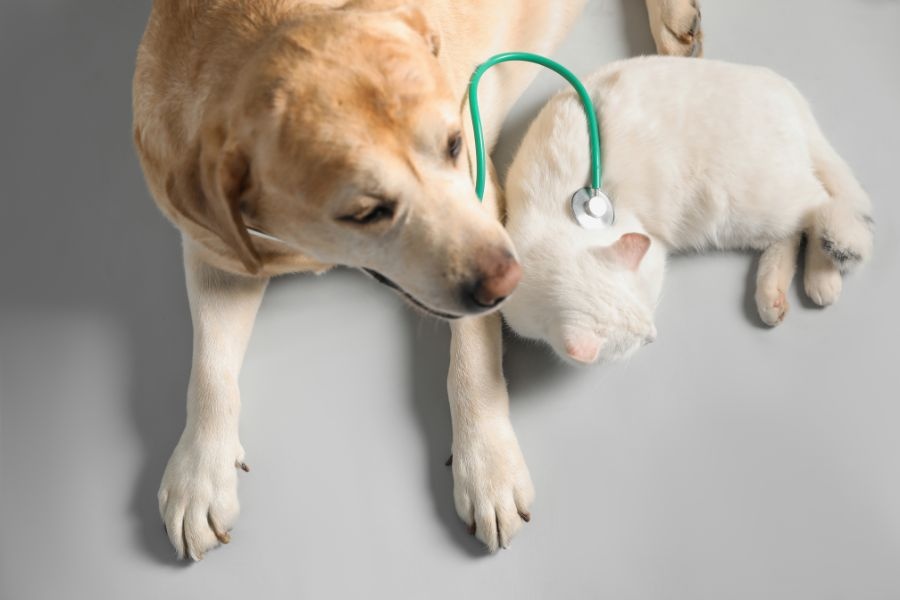
Dogs and cats are naturally active, curious, and sometimes unpredictable. Whether they’re exploring the backyard, chewing on household items, or playing with other animals, unexpected health issues can arise without warning. While some problems can safely wait for a routine veterinary visit, others require prompt medical attention. Knowing when to seek urgent vet care can help prevent complications and give your pet the care they need before their condition worsens.
For pet owners in High Point, understanding the most common reasons pets require urgent pet care can make it easier to recognize warning signs and respond quickly. Early veterinary evaluation often leads to faster diagnosis, timely treatment, and better outcomes.
Persistent Vomiting or Diarrhea
Digestive issues are among the leading reasons pets are brought in for urgent medical evaluation. A single episode of vomiting or diarrhea may not always indicate a serious problem, but repeated episodes can quickly lead to dehydration and signal an underlying illness.
Possible causes include:
- Dietary indiscretion
- Food intolerance
- Intestinal parasites
- Pancreatitis
- Foreign object ingestion
- Toxic substances
- Bacterial or viral infections
If your pet cannot keep food or water down or develops severe diarrhea, urgent vet care is recommended.
Toxic Ingestion
Many common household products and foods are dangerous for pets. Curious animals often investigate unfamiliar objects by chewing or swallowing them.
Common toxins include:
- Chocolate
- Grapes and raisins
- Human medications
- Household cleaning products
- Lawn chemicals
- Antifreeze
- Certain indoor and outdoor plants
Prompt urgent pet care is important whenever toxic ingestion is suspected, even if symptoms have not yet appeared.
Difficulty Breathing
Breathing problems should never be ignored. Labored breathing may result from allergic reactions, heart disease, respiratory illness, airway obstruction, or trauma.
Warning signs include:
- Rapid breathing
- Open-mouth breathing in cats
- Wheezing
- Blue or pale gums
- Excessive effort while breathing
Because oxygen is essential for every organ, prompt veterinary evaluation is critical.
Sudden Limping or Injuries
Active pets frequently experience injuries while running, jumping, or playing.
Common injuries include:
- Sprains
- Fractures
- Torn ligaments
- Bite wounds
- Cuts and lacerations
If your pet suddenly refuses to bear weight on a limb or appears to be in significant pain, seeking urgent vet care helps determine the extent of the injury and the appropriate treatment.
Swallowing Foreign Objects
Dogs and cats occasionally swallow objects that cannot safely pass through the digestive tract.
Examples include:
- Toys
- Socks
- Plastic wrappers
- String
- Bones
- Corn cobs
Foreign objects can cause intestinal blockages that may lead to repeated vomiting, abdominal discomfort, and loss of appetite.
Urinary Problems
Difficulty urinating is another common reason pets require prompt veterinary attention.
Signs include:
- Frequent attempts to urinate
- Straining
- Blood in the urine
- Crying while urinating
- Producing little or no urine
These symptoms should never be ignored because urinary obstruction can quickly become a serious medical condition.
Eye Injuries
Eye problems often develop suddenly and may worsen rapidly without treatment.
Common symptoms include:
- Squinting
- Excessive tearing
- Redness
- Swelling
- Pawing at the face
- Cloudy appearance
Prompt evaluation helps reduce the risk of long-term vision problems.
Seizures or Sudden Neurological Changes
A seizure or sudden change in balance, coordination, or behavior always deserves veterinary attention.
Possible signs include:
- Tremors
- Collapse
- Disorientation
- Walking in circles
- Head tilt
- Loss of consciousness
These symptoms may indicate neurological disease, toxin exposure, or other serious health conditions.
How Pet Owners Can Respond
If your pet develops concerning symptoms, remaining calm allows you to respond more effectively.
Helpful steps include:
- Observe your pet’s symptoms carefully.
- Prevent access to harmful substances.
- Avoid giving human medications.
- Record when symptoms began.
- Contact your veterinary clinic promptly.
- Transport your pet safely for evaluation.
Providing accurate information helps your veterinarian determine the most appropriate course of care.
Why Early Veterinary Care Is So Important
Many illnesses and injuries become more difficult to treat when evaluation is delayed. Early diagnosis often provides more treatment options and may reduce the risk of complications.
If your pet develops concerning symptoms, seeking urgent vet care allows veterinary professionals to identify the cause and begin appropriate treatment as quickly as possible. For families in High Point, timely urgent pet care offers peace of mind while helping pets recover more comfortably.
Skeet Club Veterinary Hospital is dedicated to providing compassionate veterinary care for pets experiencing sudden illnesses, injuries, and other unexpected medical concerns.
Schedule an Online Appointment
If your pet is experiencing concerning symptoms or has suffered an unexpected injury, schedule an online appointment for a prompt veterinary evaluation. Early assessment can help identify the problem and support timely treatment.
Call Our Team Today
If you’re concerned about your pet’s health, call our team at 336-886-2315. We’ll answer your questions, discuss your pet’s symptoms, and help you determine the next steps for your pet’s care.
Frequently Asked Questions
Q1. What are the most common reasons pets need urgent vet care?
Ans: Common reasons include persistent vomiting or diarrhea, toxic ingestion, breathing difficulties, injuries, urinary problems, seizures, eye injuries, and swallowing foreign objects.
Q2. How do I know if my pet’s condition requires urgent pet care?
Ans: If your pet has difficulty breathing, repeated vomiting, severe diarrhea, collapse, seizures, inability to urinate, significant pain, or sudden behavioral changes, prompt veterinary evaluation is recommended.
Q3. Can digestive problems become serious if left untreated?
Ans: Yes. Persistent vomiting or diarrhea can lead to dehydration and may indicate underlying illnesses that require veterinary treatment.
Q4. Should I wait to see if my pet improves at home?
Ans: Mild symptoms may occasionally resolve, but worsening symptoms or multiple warning signs should always be evaluated by a veterinarian as soon as possible.
Q5. How can I help prevent unexpected veterinary visits?
Ans: Keep toxic substances secured, supervise outdoor activities, remove household hazards, store medications safely, provide a balanced diet, and schedule regular wellness examinations.