Your dog trots back from the yard squinting and pawing at one eye. Or your cat is hiding under the bed with one eye sealed shut. Moments like these leave pet owners wondering whether to wait it out or act. Eyes are delicate, and a small problem can turn serious within hours, so knowing when to seek urgent vet care can protect your pet’s vision and comfort.
Why Eye Problems Move So Quickly
The surface of the eye is thin and full of nerve endings. That is why even a tiny scratch hurts so much, and why a shallow scratch can become a deep ulcer in a day or two if it goes untreated.
Pets also can’t tell you what happened. By the time you notice something is wrong, the injury may already be hours old. Eye conditions don’t always look as dramatic as they are, either. A mildly red eye might be a simple irritation, or it might be the first sign of a painful pressure problem.
Warning Signs You Should Never Ignore
Some changes are easy to spot. Others are subtle and look like moodiness. Watch for these:
- An eye held tightly shut or constant squinting
- A cloudy, bluish, or hazy look on the surface of the eye
- A red, swollen eyelid or a bloodshot white of the eye
- Thick yellow or green discharge, or heavy watering that won’t stop
- An eye that looks enlarged, bulging, or out of position
- Pupils of different sizes
- Visible blood inside the eye
- Pawing at the face or rubbing it along carpet or furniture
- Sudden clumsiness, or bumping into furniture and doorframes
One sign alone, such as light watering, may not be alarming. Pain signs together (squinting, pawing, hiding) deserve a prompt call to your veterinarian.
Common Causes of Eye Injuries
In Dogs
Dogs investigate the world nose-first and face-first. Thorny brush, sharp sticks, rough play, scuffles with other dogs, and wind-blown debris from a car window are all common culprits. Whether your dog is bounding along a High Point greenway or sniffing the backyard hedges, a branch at eye level can do real damage in a split second.
In Cats
Cat-on-cat scratches are a leading cause of corneal injuries, especially in cats that go outdoors. Indoor cats aren’t immune. They can get a claw to the eye during play, pick up a grass seed or bit of litter dust, or get irritated by household sprays. Cats can also have flare-ups of feline herpesvirus, which can cause painful sores on the eye’s surface.
What to Do Before You Reach the Clinic
What you do in the first few minutes can keep the injury from getting worse.
Do:
- Keep your pet calm and prevent rubbing. A soft cone or an e-collar works well if you have one.
- Gently flush visible debris or chemical irritants with sterile saline eye wash.
- Place a clean, damp cloth lightly over an eye that looks bulging or dry, and handle your pet as little as possible.
Don’t:
- Use human eye drops, ointments, or leftover medications. Some can make an ulcer worse.
- Try to pull out anything stuck in or near the eye.
- Press on an eye that is bulging or out of position.
- Wait to see whether it “looks better tomorrow” if your pet is clearly in pain.
When Urgent Vet Care Is the Right Call
Not every red eye is a crisis, but some situations call for urgent vet care right away. Call your veterinarian immediately if you notice:
- A bulging eye, or an eye that appears out of its socket
- A visible wound, a puncture, or an object lodged in the eye
- Blood within the eye or a sudden change in eye color or clarity
- Exposure to a household chemical, cleaner, or plant irritant
- Squinting that is severe or getting worse
- Signs of sudden vision loss
Urgent pet care is also wise if your pet’s eye bothers them for more than a few hours. Eye pain rarely gets better by itself, and corneal damage can become permanent. Milder signs, such as slight redness with no squinting and normal behavior, can often wait for a routine visit, but a quick phone call to confirm is never wasted.
Finding Vets Near Me When Time Matters
When your pet’s eye is hurt, searching for vets near me can feel overwhelming, so a little preparation helps. Save your clinic’s number in your phone now, and ask whether they evaluate eye injuries and how they handle urgent cases. If your regular office is closed or fully booked, ask whether they can direct you to a trusted urgent pet care option in the High Point area.
When you call, describe what you see, when it started, and what your pet may have been doing beforehand. That helps the team decide how fast to see your pet and what to prepare.
What Happens During an Eye Exam
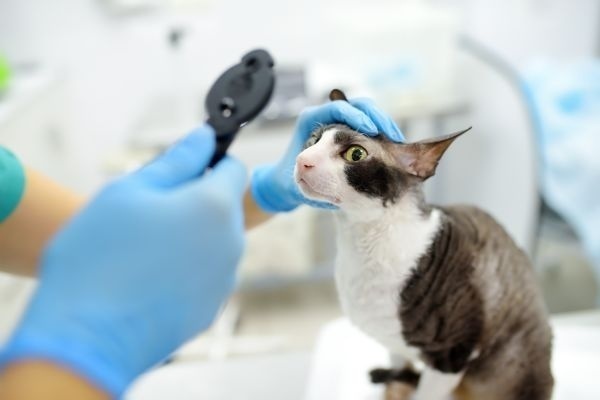
Expect a calm, step-by-step process. The veterinarian will look at both eyes with a bright light and magnification. A painless stain, called fluorescein, is often placed on the surface of the eye, which highlights scratches and ulcers under a special light. Your pet may also have a tear production test and an eye pressure check.
Treatment depends on the findings. It may include medicated drops or ointments, pain relief, and a protective cone. Deeper injuries may need a procedure or a specialist referral. Rechecks are common, because the team needs to confirm healing before treatment stops.
Conclusion
Quick action is often what separates a minor, fully healed injury from a lasting problem. If you are from High Point and looking for urgent vet care for a squinting, weeping, or swollen eye, calling early gives your pet the best chance at a smooth recovery.
The team at Total Care Veterinary Hospital understands how stressful these moments are for pet owners. Trust your instincts: if your pet’s eye looks wrong or your pet seems uncomfortable, it’s always reasonable to ask a professional to take a look.
When you do arrange a visit, take a moment to jot down when you first noticed the problem and whether your pet was outdoors, playing, or near anything unusual. These small details help your veterinarian work out what happened more quickly.
Schedule Your Pet’s Visit Online
If your pet’s eye needs a closer look, you can request an appointment through our online booking page in just a few minutes. Choose a time that works for you, share a short note about what you’ve noticed, and our team will take it from there.
A quick tip while you arrange things: keep your pet in a quiet, dimly lit room and avoid letting other pets crowd them. Less stress and less light can make the waiting time easier on a sore eye.
Speak With Our Team by Phone
Prefer to talk it through? Call our team at 336-841-8877 to describe your pet’s symptoms, and we’ll help you figure out the right next step.
Frequently Asked Questions
Q1. Can a minor eye scratch heal without treatment?
Ans: Very mild surface irritations sometimes settle on their own, but it’s hard to tell a harmless irritation from a scratch without an exam. Scratches can deepen or become infected quickly, and the damage may not be visible at home. That’s why a veterinarian should evaluate any eye that stays squinted or watery.
Q2. Are certain breeds more prone to eye injuries?
Ans: Yes. Flat-faced dogs and cats with prominent eyes, such as pugs, Shih Tzus, bulldogs, and Persians, have eyes that sit more exposed, so they scratch or dry out more easily. Dogs with long facial hair may also get irritation from hair rubbing the surface. Regular checks and careful trimming can help.
Q3. How long does healing take after treatment?
Ans: Healing depends on how deep the injury is. Minor corneal scratches often improve within several days to a week with prescribed drops, while deeper ulcers or penetrating wounds can take weeks and may need surgery. Rechecks matter because your veterinarian needs to confirm the surface has closed before stopping medication.
Q4. How can I reduce the risk of eye injuries at home?
Ans: Keep cat nails trimmed, supervise play between pets, and stop your dog from hanging its head out of a moving car window. Check yards for sharp branches or thorny shrubs, store cleaning products out of reach, and use a protective collar if your pet tends to scratch at the face.
Q5. Can a cat’s eye problem be caused by something other than injury?
Ans: Yes. Redness, discharge, and squinting can also come from infections, allergies, dry eye, or glaucoma, which is a painful rise in eye pressure. Cats may also have recurring viral flare-ups. Because these conditions look similar to injuries, an exam with the right tests is the only reliable way to find the cause.