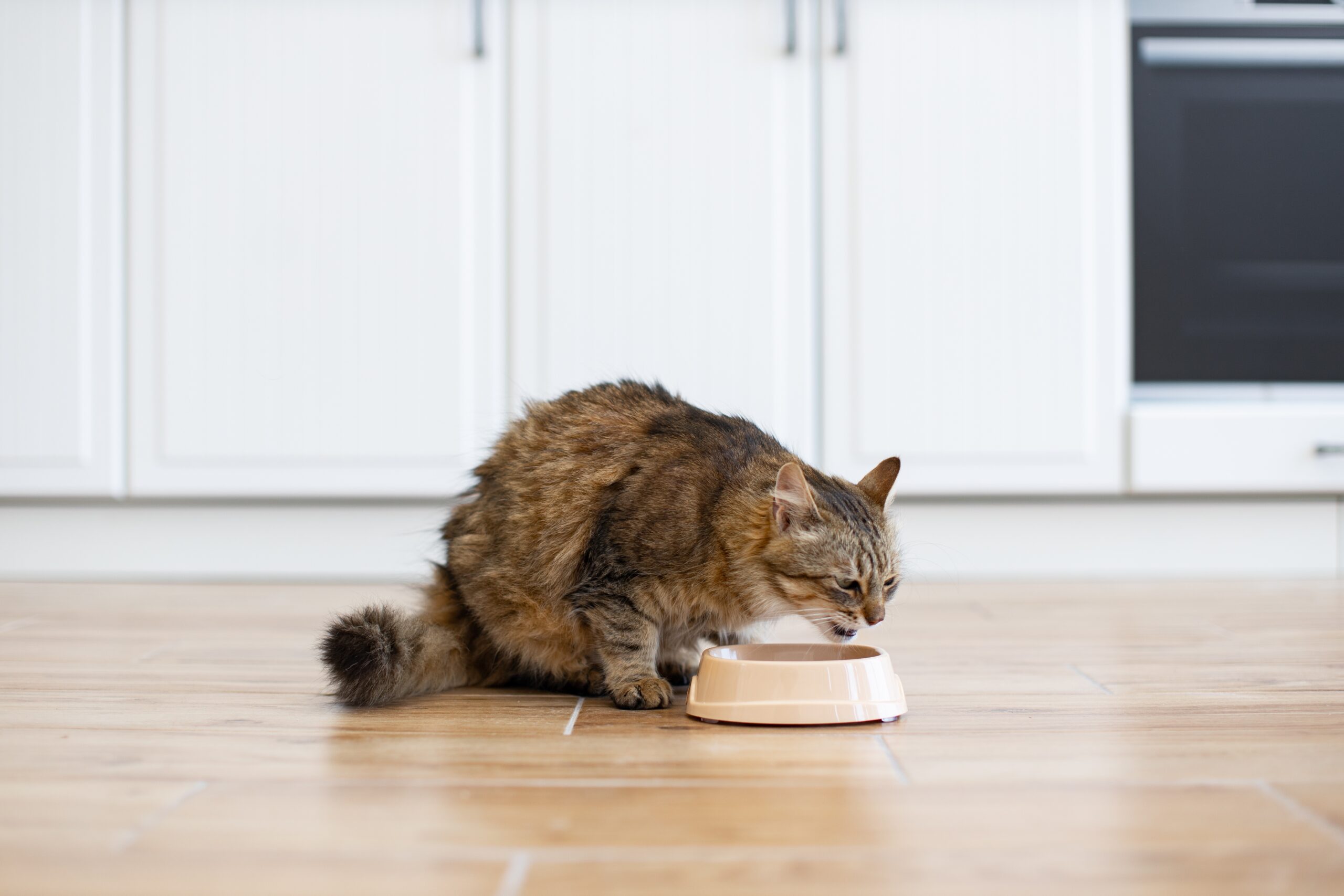
When you walk down the pet food aisle at your local store or browse online pet nutrition sites, you are immediately met with an overwhelming number of choices. Shelves are lined with endless rows of colorful bags of crunchy kibble alongside neatly stacked stacks of canned wet food and specialized pouches. For any dedicated cat owner, one of the most common, enduring, and passionate debates is deciding whether to feed wet food, dry food, or a combination of both. Every cat parent wants to provide optimal, balanced nutrition that promotes a long, active, and healthy life for their feline companion. However, cutting through the marketing noise to understand how each food type uniquely impacts your cat’s physiology, daily hydration levels, and long-term health makes all the difference.
The Evolutionary Background of Feline Nutrition
To truly understand why the wet versus dry food debate matters so much for cats, it helps to look at their evolutionary history, , a topic frequently discussed by local vets. Unlike dogs, which evolved as omnivores capable of thriving on a wide variety of plant and animal matter, domestic cats are obligate carnivores. This biological classification means their bodies are strictly designed to process and thrive on animal tissue. In the wild, a cat’s natural diet consists of small prey items like mice, birds, and insects. These prey animals naturally provide a high-protein, moderate-fat, and remarkably low-carbohydrate nutritional profile.
Crucially, natural prey is also roughly 70 to 80 percent water. Wild felines derive almost all of their necessary daily moisture directly from the tissue of their prey. Modern domestic cats inherit this exact biological blueprint, yet they often live indoors where they eat dry, processed foods and drink water from bowls or fountains. Recognizing this evolutionary background helps explain why modern feeding choices have such a profound impact on a cat’s urinary tract, kidneys, and overall metabolic health.
The Nutritional Role and Benefits of Wet Cat Food
Wet cat food comes with distinct biological advantages, primarily due to its high moisture content. Because canned or pouched wet food typically consists of 70 to 80 percent water, feeding it naturally supports superior daily hydration. Cats evolved as desert dwellers with a notoriously low thirst drive. In domestic settings, this low thirst drive means many cats frequently do not drink enough standing water from a bowl to keep their urinary tracts and kidneys fully flushed.
The added moisture in wet food significantly reduces the concentration of minerals in the urine, which helps prevent the formation of painful bladder stones and lowers the overall risk of lower urinary tract infections and chronic kidney disease. Furthermore, because wet food must hold its shape in a can without requiring excessive starches or grains as binding agents, its formulas generally contain higher protein and lower carbohydrate levels. This macronutrient profile closely mimics a natural feline diet and helps indoor cats maintain a lean, healthy body weight over their lifespan.
The Practical Benefits of Dry Kibble
While biological hydration is a major win for wet food, dry kibble offers its own set of practical, financial, and lifestyle benefits that many cat owners deeply appreciate. First and foremost, dry food is exceptionally convenient for busy households. Unlike opened cans of wet food that spoil quickly, dry kibble can be left out in a bowl for longer periods without spoiling. This makes it ideal for automated electronic feeders, puzzle toys, or free-feeding cats with well-regulated, healthy appetites.
Dry food is also usually much more cost-effective and easier to store in large quantities compared to opened cans of wet food. Additionally, some specially formulated dental kibbles feature a larger, coarser texture or a unique density designed to resist crumbling instantly. This texture helps provide a small amount of mechanical friction to scrape away plaque and tartar buildup as your cat chews, supporting overall oral hygiene between veterinary checkups.
Comparing Key Health Impacts: Dental Care and Weight Management
A common misconception among pet owners is that feeding crunchy dry food keeps a cat’s teeth completely clean and free of dental disease. In reality, most cats swallow standard kibble whole or crush it instantly with minimal chewing, meaning it provides very little actual dental friction. Maintaining your cat’s long-term dental health requires regular at-home tooth brushing, dental treats, and professional veterinary cleanings, regardless of whether they eat a strictly wet or dry diet.
When it comes to weight management, wet food holds a distinct advantage, particularly for sedentary indoor cats. Because wet food is far less calorie-dense by volume due to its high water content, it allows cats to feel physically full and satisfied on fewer calories. Dry kibble is highly concentrated and calorie-dense, meaning it is very easy for indoor cats to overeat when food is freely available, quickly leading to feline obesity and associated secondary health issues like diabetes and joint degeneration.
Finding the Right Balance: The Case for Combination Feeding
You do not necessarily have to choose just one exclusive feeding option. Many modern veterinarians recommend a balanced mixed feeding strategy often referred to as combination feeding or mixed feeding. Offering a portion of wet food for breakfast or dinner to boost hydration and high-quality protein intake, alongside a carefully measured amount of dry kibble to satisfy grazing habits or nighttime snacking, gives your cat the absolute best of both worlds. This approach provides the crucial moisture and urinary support of wet food while maintaining the affordability, convenience, and crunch of dry food.
Frequently Asked Questions (FAQs)
Q1. Is wet food better for older cats or cats with kidney issues?
Ans: Yes. Older cats or cats diagnosed with kidney disease, diabetes, or lower urinary tract problems greatly benefit from the high moisture content in wet food, which helps ease digestion, reduces strain on internal organs, and keeps their urinary systems thoroughly hydrated.
Q2. Can eating exclusively dry food cause chronic dehydration in cats?
Ans: Eating exclusively dry food does not automatically guarantee dehydration, but it does mean your cat must actively drink a significant amount of fresh water every day to compensate for the lack of moisture in their diet. If a dry-fed cat refuses to drink adequately from a bowl, they run a higher risk of sub-clinical, chronic mild dehydration.
Q3. How long can opened wet food sit safely out in a bowl before spoiling?
Ans: Wet food should generally not be left out at room temperature for more than one to two hours, especially during warmer summer months. Any uneaten wet food should be discarded promptly to prevent bacterial growth, food spoilage, and potential stomach upset.
Q4. Will switching my cat from dry food to wet food cause sudden diarrhea?
Ans: A sudden, abrupt change in diet can easily upset a cat’s sensitive digestive system. If you decide to transition your cat to a new food format, mix increasing amounts of the new food with decreasing amounts of the old food over a gradual period of seven to ten days.
Navigating feline nutrition and deciding the absolute best dietary plan for your pet can feel complicated, but you do not have to figure it out alone. If you want personalized dietary advice, weight management strategies, or a complete nutritional assessment for your companion, our experienced veterinarians at Skeet Club Veterinary Hospital in High Point are always here to help. Reach out to schedule your consultation today and ensure your beloved pet enjoys lifelong health, energy, and vitality!