A cat’s eyes play an important role in navigating its surroundings, judging distances, and responding to movement. When an eye condition develops, symptoms such as squinting, cloudiness, redness, or unusual discharge may signal a problem that needs veterinary attention. While some eye conditions respond to medication, others may require surgery to protect the eye, relieve discomfort, or preserve as much vision as possible.
Understanding when cat surgery may be recommended helps owners recognize the importance of early diagnosis. The right treatment depends on the cause of the condition, the structures affected, and whether vision can be preserved. At Skeet Club Veterinary Hospital in High Point, veterinary evaluation can help cat owners understand available treatment options and the next steps for their pet’s eye health.
Common Eye Conditions That May Require Surgery
Not every eye problem requires an operation. Veterinarians first determine whether medication, monitoring, or a surgical procedure is appropriate. Surgery may be considered when an injury affects the eye’s structure, an eyelid problem repeatedly irritates the surface, or a disease causes persistent pain or damage.
Eyelid Abnormalities
Some cats develop eyelid conditions that cause the eyelid to turn inward or outward. Entropion occurs when the eyelid rolls inward, allowing hair and eyelashes to rub against the cornea. This repeated friction can cause irritation, ulcers, and discomfort.
Ectropion, in which the eyelid turns outward, may expose delicate tissues and interfere with normal eye protection in certain cases. Depending on the severity, a veterinarian may recommend corrective surgery to improve eyelid positioning and reduce ongoing irritation.
Corneal Ulcers and Injuries
The cornea is the transparent outer surface of the eye. Scratches, trauma, foreign material, and certain underlying diseases can damage this tissue. Mild corneal ulcers may heal with appropriate medical treatment, but deeper or nonhealing ulcers can threaten the integrity of the eye.
Surgical procedures may be recommended when the cornea is severely damaged, has become dangerously thin, or is at risk of perforation. The specific approach depends on the depth and location of the injury and may involve specialist care.
Eyelid Masses and Growths
Lumps or growths around the eyelid can interfere with blinking, rub against the cornea, or change the normal shape of the eyelid. If a growth causes repeated irritation or is suspected to be abnormal tissue, surgical removal may be considered.
The veterinarian evaluates the location and size of the growth and may recommend laboratory analysis of removed tissue. The goal is to address the problem while protecting nearby eye structures.
Signs That Your Cat May Need an Eye Examination
Cats can hide discomfort, and eye conditions may progress before an owner realizes how much the animal is affected. Changes in eye appearance or behavior should not be ignored.
Watch for these signs:
- Persistent squinting or keeping one eye closed
- Redness or swelling around the eye
- Cloudiness or a visible change in the cornea
- Excessive tearing or unusual discharge
- Frequent pawing or rubbing at the face
- Sensitivity to light
- A visible wound, foreign material, or eyelid abnormality
- A sudden change in vision or difficulty navigating familiar spaces
These symptoms do not automatically mean surgery is necessary. They indicate that an examination is important to identify the underlying cause. Sudden vision changes, severe pain, an eye that appears enlarged or displaced, or a suspected penetrating injury require immediate veterinary attention.
Avoid using leftover eye drops or human medications unless a veterinarian specifically instructs you to do so. Some products can worsen certain conditions or delay appropriate treatment.
How Veterinarians Determine Whether Surgery Is Necessary
Before recommending veterinary surgery, the veterinarian assesses the eye and the cat’s overall health. The examination may include checking the eyelids, cornea, pupils, and surrounding tissues for abnormalities.
Several diagnostic procedures may be used depending on the symptoms. A fluorescein stain can help reveal corneal damage that is difficult to see with the naked eye. Tear production testing may identify inadequate tear production, while measuring pressure inside the eye can help assess conditions such as glaucoma when appropriate.
The veterinarian may also evaluate the inside of the eye and examine both eyes for comparison. If a growth, unusual tissue change, or complex injury is present, additional testing or referral to a veterinary ophthalmologist may be recommended.
The decision to operate considers several factors, including the severity of tissue damage, whether medical treatment has worked, the risk of permanent injury, and the likelihood that surgery will improve comfort or function. The veterinarian should explain the expected benefits, potential complications, and alternative treatments before proceeding.
Eye Conditions That May Require Specific Surgical Procedures
Different eye problems require different approaches. The procedure selected depends on the affected structure and the amount of damage.
Repairing Eyelid Problems
Corrective eyelid surgery may be appropriate when an abnormal eyelid position causes ongoing irritation or threatens the cornea. The veterinarian adjusts the affected tissue to help the eyelid protect the eye more effectively.
The amount of correction depends on the abnormality and the cat’s anatomy. Follow-up examinations help confirm that the eyelid is healing in the intended position.
Treating Severe Corneal Damage
Deep ulcers, nonhealing wounds, and certain traumatic injuries may require surgery to support the cornea and protect the eye. Depending on the case, a procedure may involve covering or reinforcing the damaged area with suitable tissue.
These cases can be complex because the cornea is delicate and essential for clear vision. Early assessment helps the veterinarian determine whether medical treatment remains appropriate or whether surgical support is needed.
Removing a Severely Damaged Eye
In some cases, an eye may be too severely damaged to recover comfortably or maintain useful function. If the eye causes persistent pain and cannot be adequately treated, removal may be recommended.
Although this can be a difficult decision for owners, cats generally adapt well to living with one eye when the remaining eye is healthy. The priority is to relieve ongoing discomfort and support the cat’s quality of life.
Preparing Your Cat for Eye Surgery
Preparation begins with reviewing your cat’s medical history, current medications, and any other health conditions. Depending on the procedure and the cat’s age or health status, blood tests or additional examinations may be recommended before anesthesia.
Follow the veterinary team’s instructions regarding food, water, and medications before the operation. Tell the veterinarian about any previous reactions to medication or anesthesia and describe all eye drops or supplements your cat currently receives.
Ask what the procedure involves, how long recovery may take, and what signs should prompt a follow-up call. Understanding the plan helps you prepare a calm recovery space and arrange transportation home.
Professional pet surgical services include preoperative assessment, appropriate anesthesia, pain management, and postoperative monitoring. These steps help the veterinary team address your cat’s individual needs throughout treatment.
Recovery and Eye Care After Surgery
Postoperative care depends on the type of eye procedure performed. Your cat may need prescribed medication, protective equipment, and restrictions on activity while the tissues heal.
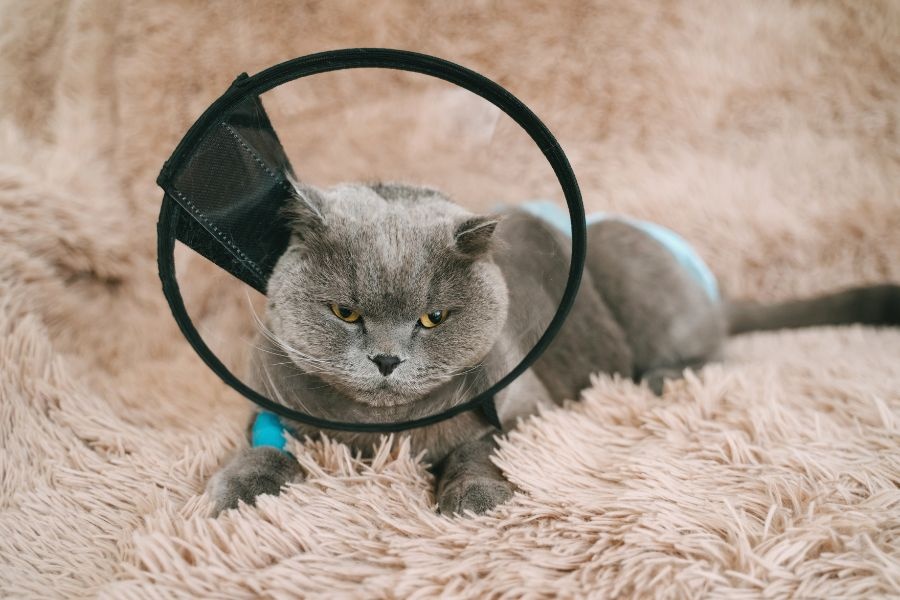
Use an Elizabethan collar if recommended to prevent scratching or rubbing at the eye. Give medications according to the prescribed schedule and do not stop treatment early without veterinary guidance. Keep your cat indoors in a calm environment and follow instructions for cleaning any discharge around the eye.
Monitor for increasing redness, swelling, discharge, bleeding, persistent squinting, or signs of worsening discomfort. Contact the veterinary team if these changes occur. Sudden deterioration in vision or severe pain warrants immediate assessment.
Attend all recommended follow-up appointments. The veterinarian can evaluate healing, adjust medication if needed, and determine when normal activity can resume. Some eye conditions require ongoing monitoring even after surgery has been completed.
Protect Your Cat’s Eye Health With Veterinary Guidance
Eye problems can progress quickly, and waiting for symptoms to disappear may allow some conditions to worsen. Early examination helps identify the cause and determine whether medication, monitoring, or surgery offers the most appropriate solution.
If your cat is squinting, has persistent eye discharge, or shows a change in eye appearance, contact Skeet Club Veterinary Hospital in High Point to arrange an appointment. Share when the symptoms began and whether they are affecting one or both eyes.
The veterinary team can examine your cat, discuss diagnostic findings, and explain available treatment options. A timely consultation can help you make informed decisions about your cat’s comfort, vision, and long-term eye health.
Frequently Asked Questions
Q1. Do all eye conditions in cats require surgery?
Ans: No. Many eye conditions can be treated with medication and monitoring. Surgery may be recommended when an eyelid abnormality, severe corneal injury, or other structural problem cannot be adequately managed with medical treatment alone.
Q2. Can a cat regain vision after eye surgery?
Ans: The outcome depends on the underlying condition, the extent of damage, and how early treatment begins. Some procedures help preserve vision, while others primarily relieve pain or protect surrounding tissues. Your veterinarian can explain the likely outcome for your cat.
Q3. How do I know if my cat’s eye problem needs prompt attention?
Ans: Persistent squinting, redness, cloudiness, or unusual discharge warrants veterinary assessment. Sudden vision changes, severe pain, a visibly damaged eye, or a suspected penetrating injury require immediate veterinary attention.
Q4. How long does a cat take to recover from eye surgery?
Ans: Recovery varies with the procedure and the severity of the original condition. Some cats heal over a few weeks, while complex corneal procedures may require longer monitoring. Follow the veterinarian’s instructions and attend scheduled rechecks.
Q5. Should I use eye drops before taking my cat to the veterinarian?
Ans: Do not use human eye drops, leftover prescriptions, or home remedies without veterinary guidance. Certain medications can worsen specific eye conditions. Contact your veterinarian for advice about the safest next step.