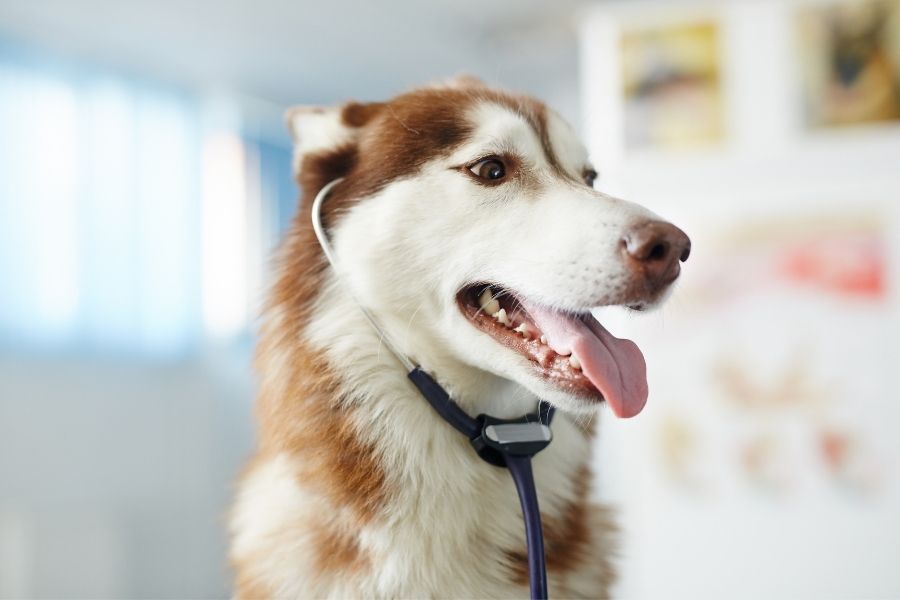
Early detection plays a major role in keeping pets healthy and ensuring they live longer, happier lives. Many serious conditions begin quietly, without obvious symptoms, making it difficult for pet owners to notice a problem right away. However, modern veterinary tools make it possible to identify these issues before they become severe.
At Total Care Veterinary Hospital, we prioritize early screening, preventive care, and advanced diagnostic testing to safeguard your pet’s health throughout every stage of life. With prompt evaluations and precise results, our veterinary team can identify health concerns earlier and start treatment before they progress into serious complications. This blog is especially for High Point, NC, where pet owners can benefit from understanding how early testing supports better long-term health outcomes. Understanding the value of early testing empowers you to make confident, informed decisions about your pet’s well-being.
What Is Pet Diagnostic Care?
Diagnostic care refers to a group of medical tests and imaging tools used by veterinarians to evaluate a pet’s internal health. Unlike a physical exam alone, diagnostic testing provides deeper insight into organ function, blood health, and internal structures.
These tests may include:
- Blood work
- Urinalysis
- X-rays
- Ultrasound imaging
- Fecal examinations
- Hormone testing
Together, they help veterinarians understand what is happening inside the body, even when external symptoms are not visible.
Because many diseases progress silently, early screening becomes a powerful tool for preventive healthcare.
Why Early Detection Matters for Pets
Many serious health conditions do not show symptoms until they are already advanced. As a result, pets may appear healthy while underlying issues continue to develop.
Early detection helps veterinarians:
- Identify hidden illnesses
- Begin treatment sooner
- Prevent complications
- Improve recovery outcomes
- Reduce long-term treatment costs
Moreover, early intervention often means less invasive treatment options and better quality of life for pets. Transitioning from reactive care to preventive care ensures that health issues are addressed before they escalate.
How Diagnostic Testing Reveals Hidden Problems
Diagnostic testing works by analyzing internal changes that cannot be seen during a regular exam. For example, blood tests can reveal organ dysfunction long before symptoms appear, while imaging can detect structural changes inside the body.
Blood Testing
Blood analysis provides critical information about:
- Kidney and liver function
- Blood cell counts
- Infections
- Hormone levels
Even small changes in blood results can signal early disease development.
Imaging (X-rays and Ultrasound)
Imaging tools help veterinarians examine bones, organs, and soft tissues. These tests can identify:
- Tumors
- Internal injuries
- Heart enlargement
- Fluid buildup
- Joint problems
Because of this, imaging plays a key role in early diagnosis and treatment planning.
Urine and Fecal Tests
Urine and fecal tests detect:
- Parasites
- Kidney issues
- Bladder infections
- Digestive disorders
These tests are especially useful because many related conditions develop silently over time.
The Role of Routine Screening in Preventive Care
Routine veterinary visits are not just about vaccinations or physical exams. They also provide an opportunity for early screening, even when your pet appears healthy.
Preventive testing helps create a baseline for your pet’s normal health. Over time, veterinarians compare new results with previous ones to identify subtle changes. This makes early detection more accurate and effective.
This is where pet diagnostic care becomes essential for long-term wellness, as it helps catch diseases before they progress into serious conditions.
Early Signs That Should Not Be Ignored
Although diagnostic testing helps detect hidden issues, pet owners should also watch for early warning signs, such as:
- Sudden weight loss or gain
- Loss of appetite
- Excessive thirst or urination
- Lethargy or fatigue
- Vomiting or diarrhea
- Persistent coughing
- Behavioral changes
Even minor symptoms can indicate a deeper health issue. Therefore, timely evaluation is always recommended.
How Early Testing Improves Treatment Success
Early diagnosis significantly improves treatment outcomes. When conditions are identified in their initial stages, veterinarians can choose more effective and less aggressive treatment options.
For example:
- Early kidney disease can often be managed with diet and medication
- Infections can be treated before they spread
- Tumors can be removed before they grow larger
- Hormonal disorders can be controlled earlier
As a result, pets experience fewer complications and better long-term health.
Puppies, Adult Pets, and Seniors All Benefit
Diagnostic testing is valuable at every life stage.
Puppies and Young Pets
Early screening helps detect congenital conditions, parasites, and developmental concerns.
Adult Pets
Routine testing helps monitor overall health and identify early signs of disease.
Senior Pets
Older pets benefit the most from frequent testing, as age-related conditions often develop silently.
Regular evaluations ensure that changes in health are detected as early as possible.
Technology Advancing Veterinary Diagnostics
Veterinary medicine continues to evolve with advanced technology. Modern diagnostic tools provide faster, more accurate results than ever before.
Digital imaging, automated lab systems, and improved testing methods allow veterinarians to make quicker decisions and start treatment without delay. This advancement has significantly improved survival rates and quality of life for many pets.
Building a Preventive Health Plan
A strong preventive health plan includes:
- Annual wellness exams
- Routine blood work
- Parasite screening
- Imaging when needed
- Nutritional assessments
When combined, these steps help create a complete picture of your pet’s health and reduce the risk of unexpected illness.
Why Local Veterinary Support Matters
Access to reliable veterinary care ensures that pets receive timely attention when health concerns arise. Early testing and consistent monitoring help build long-term wellness strategies tailored to each pet’s needs.
At Total Care Veterinary Hospital, we are committed to providing comprehensive diagnostic services that help detect illness early and support lifelong health for pets in High Point, NC.
Early detection is one of the most powerful tools in veterinary medicine. Through advanced testing and routine evaluations, veterinarians can identify hidden health issues before they become serious problems. This proactive approach ensures better treatment outcomes and improved quality of life for pets.
If you want to protect your pet’s health and ensure early detection of potential issues, schedule an appointment with Total Care Veterinary Hospital today. Our dedicated team is here to provide trusted care, accurate diagnostics, and personalized treatment plans to keep your pet healthy for years to come.
Frequently Asked Questions (FAQs)
1. What is pet diagnostic care and why is it important?
Pet diagnostic care includes tests like blood work, X-rays, and urine analysis that help detect hidden health issues early before they become serious.
2. How often should my pet get diagnostic testing?
Most pets should have routine diagnostic screening during annual wellness visits, while senior pets may need more frequent testing.
3. What signs indicate my pet may need diagnostic testing?
Signs include weight loss, appetite changes, fatigue, vomiting, diarrhea, and unusual behavior or activity levels.
4. Can early testing really improve my pet’s health outcomes?
Yes, early testing allows veterinarians to detect diseases sooner, which leads to faster treatment and better recovery chances.
5. Why choose Total Care Veterinary Hospital for diagnostic services?
Total Care Veterinary Hospital provides advanced diagnostic tools and experienced veterinary care to help detect health issues early and ensure timely treatment.
6. How can I schedule a diagnostic appointment at Total Care Veterinary Hospital?
You can easily schedule an appointment by contacting Total Care Veterinary Hospital, where our team is ready to support your pet’s health with comprehensive diagnostic care.