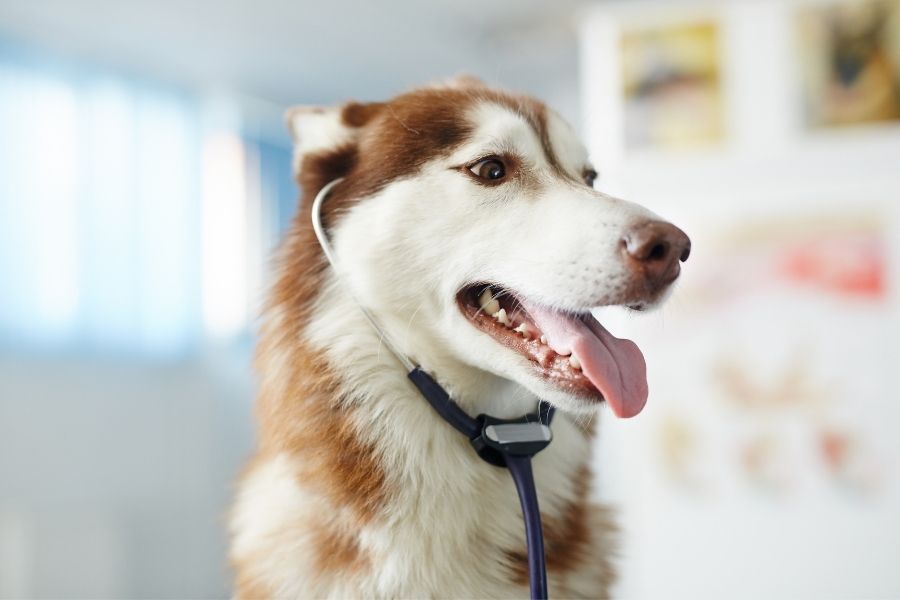
When a dog or cat is not feeling well, the first step is often a physical examination. Although laboratory testing and advanced diagnostic tools can provide valuable information, the physical exam gives a veterinarian an important starting point. What the veterinarian sees, hears, and feels during the examination can help determine which diagnostic tests are appropriate next.
Every pet presents a different combination of signs. A change in appetite may have many possible causes, while coughing, vomiting, changes in urination, or unusual tiredness can also point toward several different conditions. Rather than ordering every available test, veterinarians can use physical exam findings to narrow the possibilities and select testing that answers specific questions.
For pet owners in High Point, understanding this process can make pet diagnostic care easier to understand. At Skeet Club Veterinary Hospital, the physical examination can serve as an important foundation for deciding whether routine laboratory work, imaging, or advance testing may provide the next useful piece of information.
The Physical Exam Provides the First Clues
A physical examination gives the veterinarian an opportunity to assess a pet from several angles. The veterinarian may evaluate body condition, temperature, heart rate, breathing, hydration, skin, coat, eyes, ears, mouth, abdomen, and movement.
These observations can help identify areas that deserve closer attention.
For example, discomfort when the abdomen is examined may lead the veterinarian to consider digestive or internal conditions. Changes in breathing may make the respiratory system a priority. A noticeable change in body condition may lead to questions about nutrition, metabolism, or an underlying health concern.
The physical exam does not always provide a final answer. Instead, it helps establish a direction for the diagnostic process.
Changes in the Heart and Breathing Can Influence Testing
Listening to a pet’s heart and lungs is a routine but valuable part of an examination. Abnormal heart sounds, an unusual rhythm, or changes in breathing may indicate that additional evaluation is appropriate.
Depending on the findings, the veterinarian may consider laboratory testing or imaging to gather more information. Chest imaging, for example, may help provide a clearer view of the lungs and structures within the chest.
The choice of testing depends on what the physical exam reveals and what question the veterinarian is trying to answer. This targeted approach can make diagnostic care more purposeful.
Abdominal Findings Can Narrow the Possibilities
The abdomen can provide important clues during a physical examination. A veterinarian may gently assess the abdomen for areas of discomfort, unusual tension, or changes in the size or position of internal structures.
If an abnormal finding is identified, additional testing may be recommended to investigate it.
Blood testing may provide information about organ function and other internal processes. Imaging can provide a different type of information by allowing the veterinarian to examine structures that cannot be evaluated through touch alone.
Sometimes several pieces of information are needed before a clear picture emerges. The physical exam helps determine which pieces should be collected first.
Skin and Coat Changes Can Lead to Specific Testing
Skin problems may appear straightforward, but many different factors can contribute to changes in a pet’s skin or coat. During an examination, a veterinarian may look closely at areas of redness, hair loss, irritation, swelling, or changes in texture.
The location and appearance of the problem can help guide the next diagnostic step.
Depending on the findings, the veterinarian may recommend a sample or other testing to investigate the affected area. In some cases, additional laboratory evaluation may be useful.
This demonstrates why the physical exam matters even when a problem appears to be limited to the surface. Careful observation can help determine what information is needed next.
Weight and Body Condition Provide Valuable Information
A pet’s weight and overall body condition can also influence diagnostic decisions. Unexplained weight gain or weight loss may be associated with changes in diet, activity, metabolism, or underlying health.
If the veterinarian notices a significant change, they may ask about appetite, water consumption, exercise, behavior, and recent changes at home.
Depending on the overall findings, laboratory testing may be recommended to investigate possible internal causes. The physical exam therefore helps connect an observable change with a more focused diagnostic plan.
Changes in Behavior Can Affect the Diagnostic Approach
Behavioral changes can sometimes be difficult for owners to describe because they develop gradually. A normally social pet may become withdrawn, while another may become restless or unusually vocal.
During the physical examination, the veterinarian can observe the pet’s posture, movement, responsiveness, and reactions to handling.
These observations may help determine whether a behavioral change could be associated with discomfort or another physical concern. If the physical exam suggests a medical cause, diagnostic testing can be directed toward the systems most likely to provide useful answers.
Owner observations remain important because they provide information about what happens outside the clinic.
Basic Testing May Come Before Advance Testing
Not every health concern requires advanced diagnostic procedures immediately. In many situations, basic laboratory tests can provide useful information and help determine whether additional evaluation is necessary.
Blood work, urine testing, or other routine diagnostics may reveal changes that guide the next step.
If those results do not fully explain the pet’s condition, the veterinarian may recommend advance testing. This could include more specialized laboratory analysis or imaging, depending on the symptoms and examination findings.
Starting with appropriate foundational information can help create a logical diagnostic pathway instead of relying on a one-size-fits-all approach.
Imaging Can Add Another Layer of Information
Physical examination findings can also determine whether imaging may be useful. X-rays or other imaging methods can allow veterinarians to examine internal structures in greater detail.
For instance, an area of pain, an unusual abdominal finding, or a change in breathing may prompt consideration of imaging.
The purpose is not simply to obtain an image. The veterinarian should have a reason for recommending it and understand what question the imaging is intended to answer.
This connection between physical findings and diagnostic testing is an important part of effective pet diagnostic care.
Why Medical History Matters Alongside the Exam
The physical examination is only one part of the diagnostic process. A pet’s medical history provides additional context that can change how findings are interpreted.
Information about when symptoms started, whether they are getting better or worse, changes in appetite or drinking, recent diet changes, medications, previous health concerns, and daily habits can all be useful.
For example, the same physical finding may have different significance in a young pet compared with an older pet with a long medical history.
Providing detailed information can help the veterinarian connect the examination findings with the appropriate diagnostic options.
A Step By Step Approach Supports Better Decisions
The goal of diagnostic testing is to gather meaningful information rather than simply perform as many tests as possible. A physical examination helps veterinarians establish priorities and determine what should happen next.
Sometimes the exam supports a straightforward testing plan. In other situations, the findings may lead to several possibilities that require additional investigation.
As results become available, the diagnostic plan can evolve. One test may answer a question while creating another, making additional testing useful.
For pet owners in High Point, this step by step process can make veterinary care more understandable. Each examination finding and test result contributes another piece to the overall picture.
Support Your Pet’s Health With Thoughtful Diagnostic Care
Physical examinations play a central role in determining how veterinarians approach diagnostic testing. By carefully assessing visible and measurable changes, veterinarians can select tests that are relevant to the concerns identified during the visit.
At Skeet Club Veterinary Hospital in High Point, discussing your pet’s symptoms, daily habits, medical history, and recent changes can help provide important context during an examination. Whether routine testing is appropriate or advance testing becomes necessary, the goal is to build a diagnostic plan around the individual pet.
If you have noticed a change in your dog’s or cat’s health, scheduling a veterinary appointment can be a useful first step toward understanding what may be happening.
Schedule a Pet Diagnostic Consultation
Have you noticed changes in your pet’s appetite, weight, behavior, energy, breathing, digestion, or overall routine? Schedule an appointment with Skeet Club Veterinary Hospital in High Point to discuss your concerns. Online appointment booking can provide a convenient way to begin the diagnostic process and determine what evaluation may be appropriate for your pet.
Frequently Asked Questions
Q1. Why does a veterinarian perform a physical exam before diagnostic testing?
Ans: A physical exam provides important clues about a pet’s condition. These findings can help the veterinarian determine which diagnostic tests may provide the most useful information.
Q2. Can a physical exam determine what is wrong with my pet?
Ans: Sometimes an examination can strongly suggest a possible cause, but additional testing may be needed to confirm or further investigate the condition.
Q3. When might a pet need advance testing?
Ans: Advance testing may be considered when initial examination findings or routine test results do not provide enough information to explain a pet’s symptoms.
Q4. Does my pet’s medical history affect diagnostic testing?
Ans: Yes. Age, previous health concerns, medications, changes in behavior, diet, and the timeline of symptoms can all influence how physical findings are interpreted and which tests may be appropriate.
Q5. Can diagnostic testing change after the initial physical exam?
Ans: Yes. As the veterinarian learns more from the examination and initial test results, the diagnostic plan may be adjusted to investigate the most relevant possibilities.