Routine veterinary visits help pets stay healthy and allow subtle changes to be noticed before they become bigger concerns. However, getting a nervous dog or cat into a carrier, traveling by car, and entering an unfamiliar clinic can be stressful.
The good news is that pet parents can take simple steps to make veterinary visits calmer. Preparation can begin days or even weeks before a pet preventative exam. With gradual training, positive experiences, and thoughtful handling, dogs and cats can become more comfortable with travel and veterinary care.
Why Pets Become Anxious About Veterinary Visits
Pets can associate certain sights, sounds, smells, and experiences with previous stressful visits. A cat may become nervous when the carrier appears. A dog may recognize the sound of the car keys and hide because previous trips ended at the animal hospital.
Common signs of anxiety include:
- Hiding
- Trembling
- Excessive panting
- Whining
- Drooling
- Pacing
- Refusing treats
- Trying to escape
- Flattening the ears
- Excessive vocalization
- Tensing the body
Recognizing these signals is important. Anxiety does not mean a pet is difficult. It means the pet may need more gradual preparation and support.
Start With Positive Carrier Conditioning
For cats, the carrier should become a familiar part of the home rather than something that only appears before a veterinary appointment.
Place the carrier in a quiet area several days or weeks before the appointment. Keep the door open and allow your cat to investigate it at their own pace.
You can make the carrier more inviting by adding:
- A familiar blanket
- A comfortable towel
- A favorite toy
- Small treats
- Familiar bedding
Never force a frightened cat into the carrier during training. Instead, reward voluntary investigation.
Once your cat willingly enters, gradually increase the amount of time spent inside. Close the door briefly, reward calm behavior, then open it again. Slowly build duration over multiple sessions.
This process helps replace negative associations with positive experiences.
Help Your Dog Become Comfortable With Travel
Dogs can also benefit from gradual travel training. If your dog becomes nervous during car rides, start with short sessions.
Begin by allowing your dog to sit in the parked vehicle without going anywhere. Reward calm behavior. Once your dog is comfortable, take very short trips around the neighborhood.
Gradually introduce longer rides while keeping the experience positive.
Avoid making every car ride lead directly to a veterinary appointment. Trips to pleasant destinations, quiet walking areas, or other enjoyable places can help your dog learn that getting into the car does not always predict a stressful experience.
Practice Handling at Home
Preparing your cat or dog for a checkup can include gentle handling exercises at home.
For dogs, briefly touch the paws, ears, legs, tail, and face while offering rewards. Practice lifting the lips gently to look at the teeth.
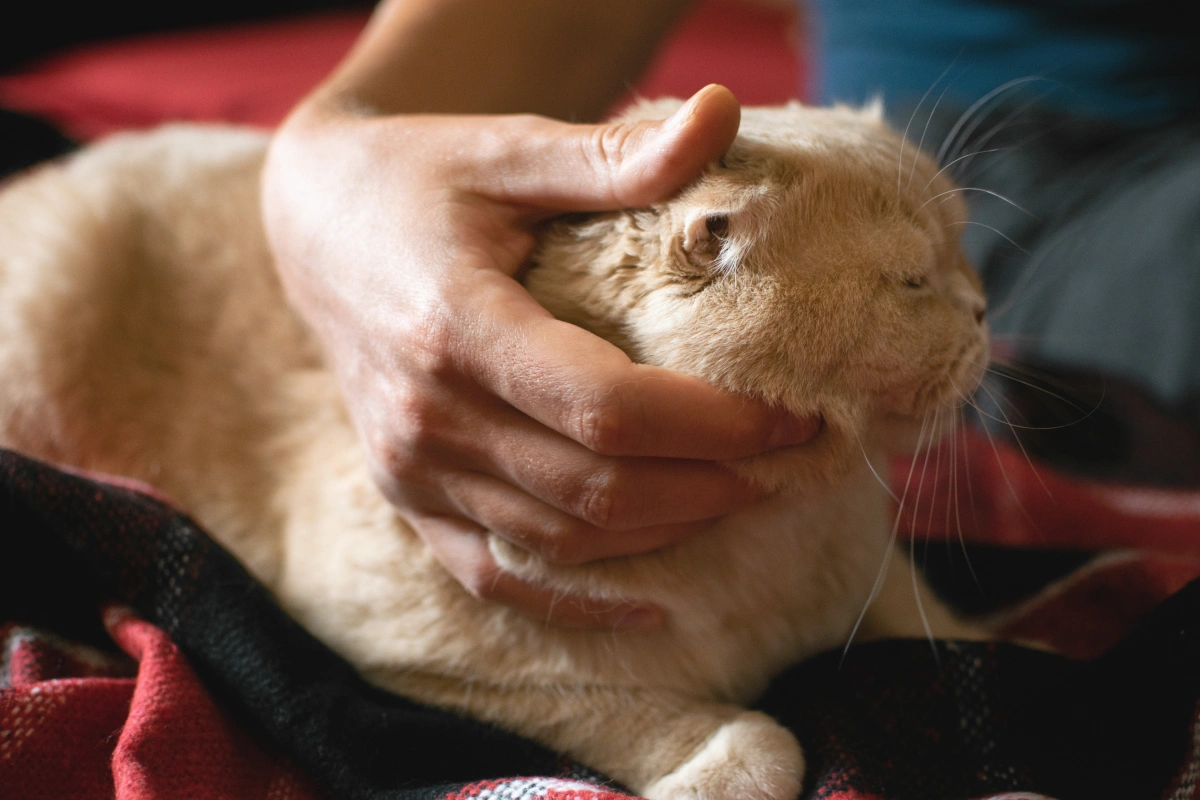
For cats, keep handling sessions especially short. Reward calm responses when touching the paws, ears, or face.
The goal is not to imitate a full examination. The goal is to teach your pet that gentle handling does not automatically mean something unpleasant will happen.
If your pet becomes uncomfortable, stop and try again later.
Make the Waiting Period Easier
The waiting room can be overwhelming for some animals. New smells, unfamiliar people, barking dogs, and other environmental sounds can increase anxiety.
If your pet becomes stressed around other animals, consider asking the clinic whether you can wait in a quieter area or remain in your vehicle until the veterinary team is ready.
For cats, keeping the carrier covered with a lightweight familiar towel can reduce visual stimulation. Make sure airflow remains unobstructed.
For dogs, maintaining a calm voice and avoiding unnecessary excitement can help keep the environment predictable.
Use Positive Reinforcement
Positive reinforcement is one of the most useful tools for preparing pets for veterinary visits.
Reward behaviors you want to encourage, such as:
- Entering the carrier
- Walking calmly toward the car
- Sitting quietly
- Remaining relaxed during handling
- Accepting gentle touches
- Staying calm in unfamiliar environments
Rewards can include small treats, praise, play, or another activity your pet enjoys.
Timing matters. Give the reward immediately after the desired behavior so your pet can make the connection.
Avoid Punishment for Fearful Behavior
Punishing a frightened pet can make anxiety worse. Yelling, forcing a cat into a carrier, or physically restraining a struggling animal may create stronger negative associations with future veterinary visits.
Instead, slow down the process and identify the point where your pet starts becoming uncomfortable.
For example, if your dog becomes nervous after entering the parking area, practice spending a few minutes calmly near the clinic without entering. If your cat panics when the carrier door closes, return to practicing short periods with the door open.
Small steps can produce better long term results.
Prepare Before the Appointment
A little preparation can make the appointment easier for everyone. Before leaving home, make sure you know the appointment time and have everything your veterinary team may need.
Consider preparing:
- Your pets current medication information
- Recent changes in appetite or drinking
- Changes in bathroom habits
- New behaviors
- Questions about nutrition or activity
- Any symptoms you have noticed
- A list of concerns you want to discuss
For cats, secure the carrier properly in the vehicle so it does not slide during travel.
For dogs, use appropriate restraint while traveling.
What Happens During a Fear Free Veterinary Exam
Fear free veterinary exams focus on reducing unnecessary stress while providing appropriate medical care.
The veterinary team may use calm voices, gentle handling, food rewards, distraction, and other techniques based on the individual pet.
Every animal responds differently. A confident dog may need little assistance, while a nervous cat may need additional time to settle.
Sharing your pets behavior history with the veterinary team can help them plan the visit around your pets comfort level.
If your pet has previously experienced significant anxiety during veterinary care, mention this when scheduling the appointment. The team may be able to suggest additional preparation strategies.
Why Preventative Exams Still Matter
It can be tempting to delay veterinary visits when a pet appears healthy. However, animals can hide discomfort and early signs of disease.
A routine pet preventative exam gives the veterinary team an opportunity to assess your pets overall condition and identify changes in areas such as weight, dental health, skin, mobility, and behavior.
Regular visits also allow pet parents to ask questions about nutrition, exercise, parasite prevention, aging, and lifestyle.
Making these appointments less stressful can help establish a healthier long term relationship between your pet and veterinary care.
Create a Better Veterinary Routine
Preparing your pet should not begin the morning of the appointment. Start early and focus on small, positive experiences.
Keep the carrier accessible. Practice short car rides. Reward calm behavior. Introduce gentle handling. Communicate with your veterinary team about your pets specific needs.
For families searching for how to calm anxious pet at the vet High Point, these simple steps can make a meaningful difference. The goal is not to eliminate every moment of nervousness. The goal is to help your pet feel safer and more confident during necessary healthcare visits.
Schedule Your Pets Preventative Exam
Skeet Club Veterinary Hospital is here to help make routine veterinary care as comfortable as possible for dogs and cats. If your pet becomes anxious about travel, carriers, handling, or veterinary visits, share those concerns with the team when scheduling. Schedule an appointment or use the hospitals online booking option to plan your pets next preventative exam and discuss ways to create a calmer veterinary experience.
Frequently Asked Questions
Q1. How early should I start preparing my pet for a veterinary exam?
Ans: Ideally, preparation should begin several days or weeks before the appointment. Gradual carrier training, short car rides, and gentle handling practice can help your pet become more comfortable.
Q2. How can I help my cat stop fearing the carrier?
Ans: Leave the carrier open in a familiar area and place comfortable bedding or treats inside. Reward your cat for voluntarily approaching or entering it, and gradually introduce short periods with the door closed.
Q3. What can I do if my dog becomes anxious during car rides?
Ans: Start with short sessions in a parked vehicle, then gradually introduce brief trips. Reward calm behavior and include enjoyable destinations so your dog does not associate every car ride with veterinary care.
Q4. Can I tell the veterinary team that my pet is anxious?
Ans: Yes. Sharing your pets anxiety history before the appointment can help the veterinary team prepare appropriate handling strategies and make the visit more comfortable.
Q5. Why are preventative veterinary exams important if my pet seems healthy?
Ans: Pets can hide early signs of health problems. Routine exams allow the veterinary team to monitor changes in weight, dental health, mobility, skin, behavior, and overall wellness.