
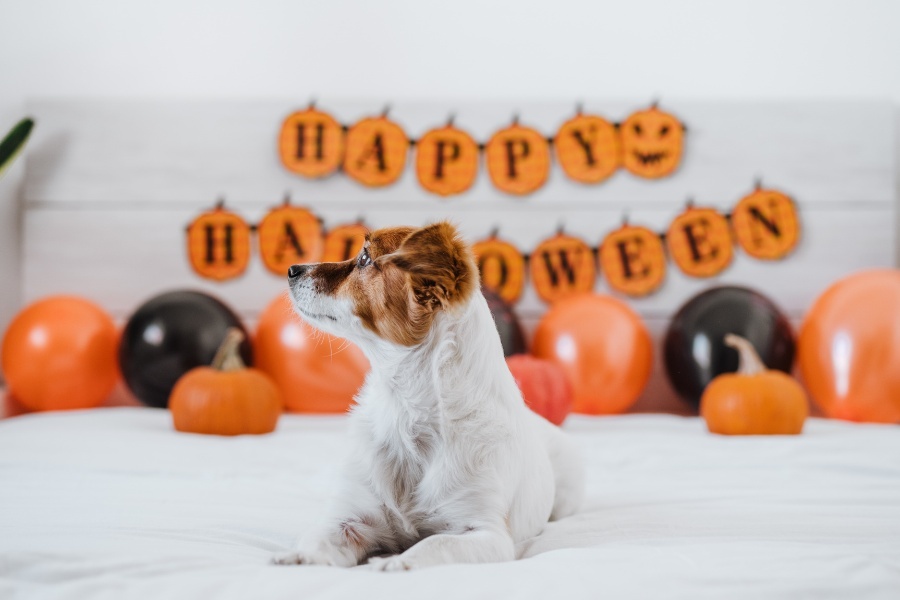
Halloween decorations can make a home feel festive, but sharp edges, broken ornaments, exposed wires, and damaged props can create unexpected hazards for dogs and cats. Curious pets may sniff, paw at, chew, or knock over decorations while exploring their surroundings. A small cut on a paw or nose can become painful, and deeper wounds may require veterinary attention.
For families looking for a veterinarian in High Point, understanding how Halloween decorations can injure pets is an important part of seasonal preparation. With thoughtful decorating choices and a few simple precautions, pet owners can create a spooky atmosphere while keeping their companions safer indoors and outdoors.
Understand Which Halloween Decorations Can Cause Cuts
Not every decoration is designed with pets in mind. Some items have sharp edges, brittle materials, thin wires, or small parts that can break when bumped or chewed. Decorations placed near the floor are especially tempting for curious animals.
Plastic skeletons, metal stakes, decorative lanterns, imitation gravestones, and pointed accessories can scratch skin or injure paws. Broken glass from lanterns or decorative containers can cause deeper cuts, while damaged plastic may leave jagged edges. Even cardboard props can have sharp staples, wire supports, or rigid corners that cause minor injuries.
Before displaying decorations, examine each item for exposed points, rough surfaces, loose components, and fragile sections. Replace damaged props instead of trying to hide sharp edges beneath fabric or artificial cobwebs. Consider how a decoration might behave if a pet bumps into it, pulls it down, or chews on it.
Choose Pet-Safer Materials for Halloween Displays
The materials used in Halloween decorations can make a meaningful difference. Glass, brittle ceramics, thin metal, and hard plastic may break or develop sharp edges if knocked over. Lightweight decorations made from durable, flexible materials may be a safer choice in areas where pets regularly walk or play.
Choose sturdy props with smooth edges and secure bases. Avoid decorations with exposed screws, sharp spikes, loose metal pieces, or pointed wire ends. If you use pumpkins, position them where pets cannot knock them onto hard floors or chew on broken pieces.
Artificial cobwebs and decorative mesh also deserve attention. Although they may not seem sharp, tangled strands can catch on claws or collars, and some decorations contain stiff wire that can scratch the skin. Keep these materials away from pet beds, feeding areas, and common walking paths.
A safer display does not have to be less creative. You can use soft fabric decorations, securely mounted wall ornaments, and battery-operated lights designed for decorative use. The goal is to reduce contact with fragile or pointed items while maintaining the Halloween look you want.
Keep Sharp Props Away From Pet Walking Paths
Dogs and cats often follow familiar routes through the house. A new decoration in a hallway, near a doorway, or beside a favorite resting spot can surprise an animal and increase the chance of a collision.
Keep pointed props, metal stakes, and fragile ornaments away from frequently used paths. Avoid placing sharp decorations near food and water bowls, litter boxes, pet doors, or stairways. These areas should remain easy for pets to navigate without brushing against unfamiliar objects.
Think about your pet’s height and movement. A decoration that appears harmless at human eye level may have a sharp corner at nose height for a small dog. Cats may jump onto shelves or furniture, bringing them into contact with decorations that seem safely out of reach.
After arranging your display, walk through the space from your pet’s perspective. Check for narrow gaps, protruding edges, dangling strings, and objects that could fall if brushed against. Leave enough open space for animals to move comfortably without squeezing between props.
Secure Outdoor Decorations and Halloween Yard Props
Outdoor Halloween displays can introduce additional risks because wind, rain, uneven ground, and nighttime darkness can affect their stability. Metal stakes, pointed garden ornaments, broken plastic pieces, and loose wire supports may injure pets exploring the yard.
Secure lawn decorations according to the manufacturer’s instructions. Keep sharp stakes covered or positioned in areas pets cannot access, and avoid leaving exposed wire ends at ground level. If a prop becomes damaged by weather, remove it promptly rather than leaving it outside until the next decorating session.
Inspect pathways, porches, patios, and garden areas before allowing pets outside. Remove broken ornaments, fallen branches, loose fasteners, and discarded packaging. Check the ground after parties or trick-or-treating, when small pieces may be difficult to notice in low light.
Supervise outdoor time during Halloween celebrations, especially if unfamiliar visitors are arriving or decorations have changed the layout of the yard. A secure, familiar area can help pets avoid crowded walkways and newly installed props.
Be Careful With Wires, Hooks, and DIY Decorations
Do-it-yourself decorations often involve materials that can cause scratches or puncture wounds. Craft wire, fishing line, metal hooks, staples, scissors, and pointed fasteners may remain exposed after a project is complete.
Store tools and leftover materials in closed containers immediately after decorating. Do not leave scissors, wire cutters, nails, pins, or craft supplies on tables where pets can reach them. Check homemade props carefully to make sure no sharp ends protrude through fabric, foam, or cardboard.
Electrical cords should be secured along walls or behind furniture rather than stretched across pet walking areas. Damaged cords may expose sharp components and create additional hazards if chewed. Use products according to their instructions, and replace frayed or damaged equipment.
If your pet likes to chew, paw at dangling objects, or investigate new items, keep handmade decorations in a separate room or behind a secure barrier. Prevention is easier than trying to manage an injury after a curious animal has reached a hazardous object.
Recognize and Respond to Cuts in Dogs and Cats
Even with careful preparation, accidents can happen. A pet may develop a small scratch after brushing against a rough prop or suffer a deeper wound after stepping on a broken ornament. Watch for limping, repeated licking of one area, visible blood, swelling, sensitivity to touch, or reluctance to walk.
If you discover a minor cut, keep your pet calm and prevent licking or chewing at the wound. If it is safe to do so, apply gentle pressure with clean gauze or a clean cloth to control light bleeding. Avoid scrubbing the wound or applying household products, alcohol, hydrogen peroxide, or human medications unless a veterinary professional directs you to use a specific product.
Deep or gaping wounds, punctures, heavy bleeding, injuries near the eyes, and cuts involving the paw pads may need prompt veterinary assessment. Seek veterinary guidance if bleeding does not stop with gentle pressure, your pet appears very painful, or you suspect glass or another object remains in the wound. Do not attempt to remove deeply embedded material yourself.
Some injuries may be hidden beneath fur, so check your pet carefully if you notice unusual behavior after time near decorations. A veterinary professional can assess the wound and advise whether cleaning, pain relief, or further treatment is needed.
Create a Halloween Space Where Pets Feel Comfortable
A pet-friendly Halloween setup involves more than removing sharp objects. Bright lights, moving props, unfamiliar sounds, and frequent doorbell rings may make some animals anxious. Stress can cause a pet to move unpredictably, hide, or rush through an area filled with decorations.
Provide a quiet room with familiar bedding, water, and favorite toys. Keep fragile and pointed decorations out of this space, and let your pet retreat there when visitors arrive. Make sure family members know which doors should remain closed and where the pet will stay during busy periods.
Before Halloween evening, check your home and yard once more. Look for fallen decorations, broken pieces, exposed fasteners, and new obstacles. Small adjustments can make a substantial difference in reducing the risk of scratches and cuts.
Keep Halloween Fun With Guidance From Your Veterinary Team
A little preparation can help protect pets from cuts caused by Halloween props and decorations. Choose durable materials, secure outdoor displays, store craft tools safely, and keep sharp items away from places where dogs and cats eat, sleep, and play.
Total Care Veterinary Hospital & Skeet Club Veterinary Hospital encourages pet owners in High Point to make pet safety part of their Halloween plans. If your pet develops a cut or you are unsure how to care for an injury, contact your veterinary team for guidance. Visit the hospital’s website or call to ask about appointment options and available vet care. With thoughtful planning, your family can enjoy Halloween decorations while helping your pets stay comfortable and safe.
Frequently Asked Questions
Q1. Which Halloween decorations are most likely to cause cuts in pets?
Ans: Broken glass, pointed metal props, exposed wires, sharp plastic edges, craft fasteners, and unsecured yard stakes can cause scratches or deeper wounds. Keep these items away from areas pets can reach.
Q2. How can I make Halloween decorations safer for a dog that chews objects?
Ans: Use sturdy decorations with smooth edges, avoid small or fragile items, secure cords, and place hazardous props behind a barrier or in rooms your dog cannot access.
Q3. What should I do if my cat steps on a sharp piece of decoration?
Ans: Keep your cat calm and check the paw only if it is safe to do so. For a minor cut, apply gentle pressure with clean gauze if needed. Contact a veterinarian for deep wounds, persistent bleeding, significant pain, or suspected embedded material.
Q4. Are outdoor Halloween decorations dangerous for pets?
Ans: They can be if they contain exposed stakes, sharp wires, broken plastic, or unstable parts. Secure displays properly and inspect the yard for damaged pieces before letting pets outside.
Q5. When should a pet’s cut be checked by a veterinarian?
Ans: Seek veterinary assessment for deep or gaping wounds, punctures, heavy or persistent bleeding, injuries near the eyes, severe pain, or suspected glass or other material inside the wound.