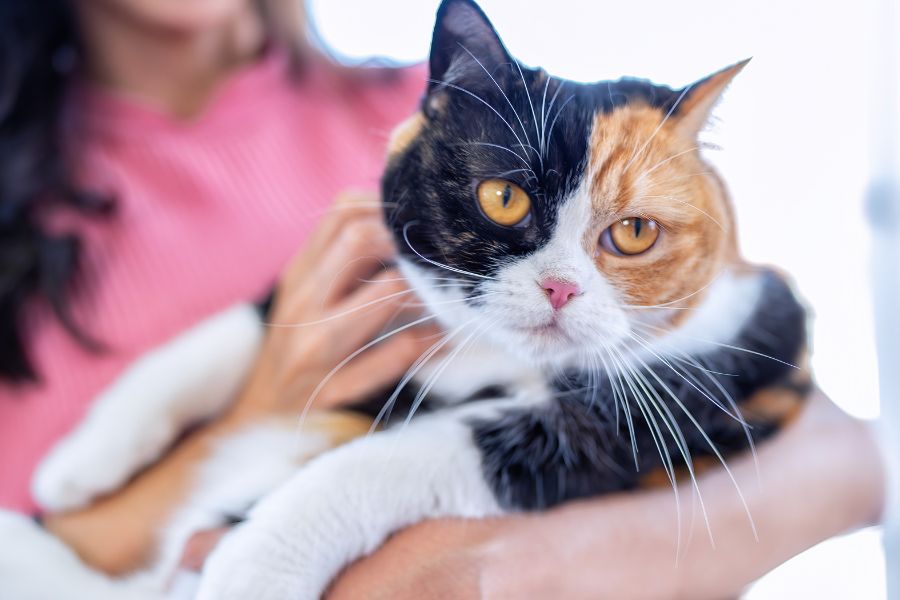
A pet’s daily life can tell a veterinarian a great deal about what kind of preventive care may be appropriate. A dog that spends hours outdoors has different routine considerations from a cat that stays indoors. An active companion that regularly joins the family on hikes may have different needs from a pet that prefers relaxing at home.
Preventive care should reflect these differences. Rather than following an identical routine for every animal, veterinarians can consider lifestyle, age, activity, environment, diet, behavior, and medical history when developing a wellness plan.
For pet owners in High Point, this personalized approach can make regular veterinary visits more meaningful. Total Care Veterinary Hospital can help families review their pet’s lifestyle and determine whether the current approach to pet wellness care continues to fit their companion’s needs.
Start With How Your Pet Spends the Day
Think about your pet’s typical day. How much time does your companion spend sleeping, walking, playing, exploring, or interacting with people and other animals?
These everyday habits can influence preventive care considerations.
A highly active dog may place greater demands on its muscles, joints, paws, and overall physical condition. A less active pet may require closer attention to body condition and daily exercise.
Cats have their own lifestyle differences. An indoor cat may have fewer opportunities for natural movement and exploration, making enrichment and weight management important parts of its routine.
By describing your pet’s normal day to your veterinarian, you provide useful information for creating a more individualized pet preventive care plan.
Outdoor Pets May Need Different Considerations
Pets that regularly spend time outdoors encounter a different environment from those that remain primarily indoors.
Outdoor dogs may walk on various surfaces, visit parks, explore trails, or interact with other animals. Their routine can involve more physical activity and exposure to changing environmental conditions.
Cats that spend time outside may also explore larger areas and encounter different surroundings.
These lifestyle factors are worth discussing during wellness appointments. Your veterinarian can consider the pet’s environment, activity patterns, and general health when reviewing preventive care recommendations.
The goal is not to assume that outdoor pets need a particular checklist. Instead, the lifestyle information helps the veterinarian determine which areas deserve attention.
Indoor Pets Need Preventive Planning Too
An indoor lifestyle does not mean a pet has no wellness needs.
Indoor cats and dogs can still experience changes in weight, activity, dental health, behavior, and overall condition. A pet that spends most of its time indoors may have fewer opportunities for physical activity, especially if the household routine is relatively sedentary.
Owners can support an indoor pet by providing appropriate exercise, play, mental stimulation, and a balanced daily routine.
Regular veterinary examinations remain useful because some changes may develop gradually without obvious signs at home. Monitoring body condition and discussing lifestyle habits can help keep pet wellness care aligned with the pet’s current needs.
Activity Level Can Influence Weight Management
Exercise is closely connected to a pet’s overall lifestyle. A dog that runs, walks, and plays frequently may have very different energy requirements from one that spends most of the day resting.
If activity decreases but food intake remains unchanged, gradual weight gain may occur. The opposite can also happen when a pet becomes significantly more active.
Regular wellness visits give veterinarians an opportunity to assess body condition and discuss feeding and activity habits.
Instead of focusing only on a number on the scale, the veterinarian can consider the pet’s overall body condition, lifestyle, age, and health history when discussing weight management.
Age Changes What Your Pet Needs
Lifestyle and age often influence each other.
Puppies and kittens are developing rapidly and usually have different activity patterns from mature pets. Young animals may spend much of their day exploring, playing, learning, and sleeping.
Adult pets may settle into more predictable routines. Their exercise needs can depend heavily on their individual personality and lifestyle.
As pets enter their senior years, activity may naturally change. A dog may prefer shorter walks, while an older cat may spend more time resting.
These changes can influence the focus of preventive care. A wellness plan that suited a young, active pet may need to be reviewed as that animal grows older.
Diet Should Match the Daily Routine
Food is another important part of lifestyle based preventive care.
Pets with different activity levels may have different nutritional requirements. However, feeding decisions should not be based on exercise alone.
Age, body condition, health history, current diet, and individual needs all matter. A pet that becomes less active may require a review of its feeding routine, while a highly active companion may need different nutritional considerations.
During regular appointments, owners can discuss what their pet eats, how often meals are provided, and whether treats form a significant part of the daily routine.
These details can help make pet wellness care more complete.
Your Pet’s Social Life Matters
Lifestyle includes social interaction as well.
Some dogs regularly visit parks, participate in group activities, or spend time with other animals. Others have a quieter routine with limited interaction outside the household.
A cat may live alone, share a home with several pets, or regularly encounter unfamiliar animals.
Social habits can provide useful context during veterinary visits. Changes in behavior around people or other animals may also be worth mentioning.
Understanding a pet’s normal social environment helps the veterinarian place behavioral and physical observations into context.
Travel and New Activities Can Change the Plan
A pet’s lifestyle may change throughout the year.
Families may begin traveling with their dogs, introduce hiking or swimming, move to a new home, or change their daily schedules. These changes can alter activity levels, environments, and routines.
If your pet’s lifestyle changes significantly, let your veterinarian know. A wellness plan may need to be reviewed to determine whether new activities or environmental changes affect the pet’s preventive care needs.
Even seemingly positive lifestyle changes can create new considerations. A dog that suddenly goes from short neighborhood walks to long outdoor adventures may need time to adjust its physical activity gradually.
Behavior Is Part of Overall Wellness
Preventive care is not limited to physical health.
Changes in sleeping patterns, appetite, activity, interaction, or behavior can sometimes provide useful clues about a pet’s overall condition.
Because owners see their pets every day, they are often the first to notice subtle changes. Mention these observations during veterinary appointments, even when the change seems minor.
A veterinarian can determine whether the change appears related to lifestyle, normal aging, or something that deserves further evaluation.
Review the Plan When Life Changes
A preventive care plan should not be considered permanent.
If your family moves, your work schedule changes, you adopt another pet, your dog becomes more active, or your cat becomes less active, these changes may affect the daily routine.
Reviewing the plan periodically helps ensure that preventive care continues to reflect the pet’s current lifestyle.
Regular appointments provide an opportunity to discuss these changes and make informed adjustments when appropriate.
Personalized Pet Wellness Care in High Point
There is no single lifestyle that defines a healthy pet. Every animal has its own combination of activity, environment, diet, social habits, age, and personality.
At Total Care Veterinary Hospital in High Point, pet wellness care can be approached with these individual differences in mind. Sharing accurate information about your pet’s daily life can help the veterinary team understand which areas deserve attention during routine visits.
Pet preventive care becomes more useful when it reflects the animal standing in front of the veterinarian rather than relying entirely on a standard routine.
Schedule a Preventive Care Appointment
Has your pet’s lifestyle changed recently? Whether your companion is more active, less active, spending more time outdoors, adjusting to a new household routine, or entering a different life stage, consider scheduling an appointment with Total Care Veterinary Hospital in High Point. Discuss your pet’s current habits and learn how its preventive care plan can continue to support its changing needs.
Frequently Asked Questions
Q1. Why should lifestyle be considered when planning pet preventive care?
Ans: A pet’s activity level, environment, diet, age, and social habits can influence its overall wellness needs. Considering these factors allows preventive care to be more individualized.
Q2. Do indoor pets still need regular preventive care?
Ans: Yes. Indoor pets can experience changes involving weight, activity, behavior, dental health, and other aspects of wellness. Regular veterinary visits help monitor these areas.
Q3. Should I tell my veterinarian if my pet’s activity level changes?
Ans: Yes. A significant increase or decrease in activity can affect weight, nutrition, physical condition, and daily routines. Sharing the change allows the veterinarian to review whether adjustments are appropriate.
Q4. Can a pet’s preventive care plan change as it gets older?
Ans: Yes. Puppies, adult pets, and senior animals can have different wellness considerations. Changes in activity, body condition, behavior, and overall health may influence the preventive care approach.
Q5. How often should I review my pet’s lifestyle with the veterinarian?
Ans: Discuss lifestyle changes whenever they occur and bring them up during regular wellness appointments. Major changes in activity, diet, environment, household routine, or behavior may warrant a closer review.