
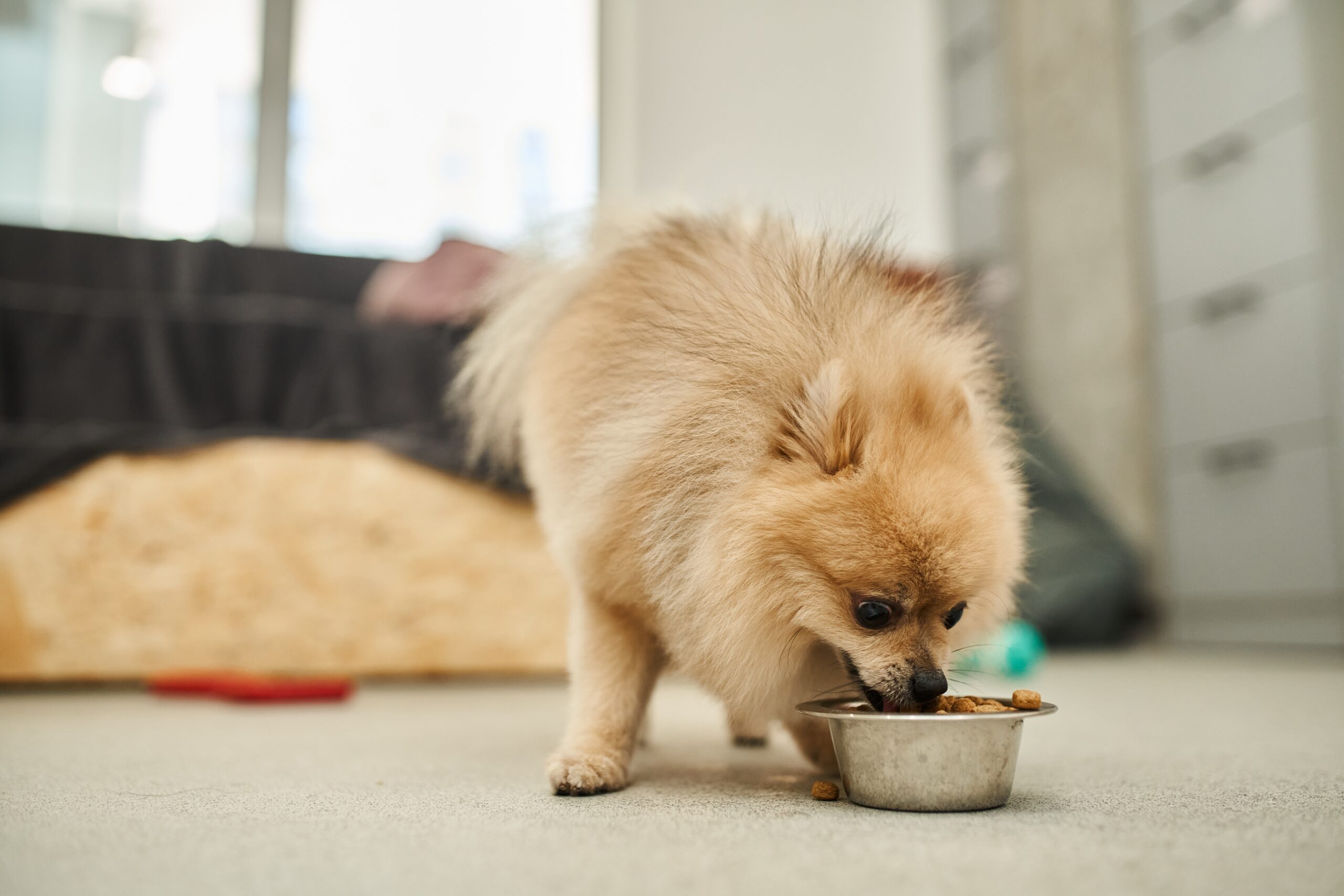
There is nothing quite like firing up the grill, gathering with friends and family, and enjoying a sunny weekend cookout during the height of the summer season. As you plate up juicy burgers, savory hot dogs, and a spread of classic sides, those big, hopeful puppy-dog eyes staring up from beneath the patio table can make it awfully tempting to slip a quick table scrap. However, many summer barbecue staples pose hidden, serious health risks to pets. Knowing what foods to keep away from your dog is essential for keeping backyard gatherings safe, fun, and trip-to-the-vet-free all season long.
The Hidden Dangers on the Picnic Table
While sharing a bite feels like an act of love, a dog’s digestive system handles food very differently than a human’s. Rich, fatty, heavily seasoned, and spiced foods common at outdoor cookouts can trigger severe gastrointestinal distress or even life-threatening conditions like acute pancreatitis. Furthermore, many everyday cooking ingredients and common picnic basket items are outright toxic to dogs. When hosting or attending a backyard barbecue, keeping an eye on where food is placed and educating guests not to feed your pet under the table is your first line of defense.
Top BBQ Foods to Keep Away From Your Dog
It is easy to assume a small bite won’t hurt, but several popular backyard foods can land your companion in serious trouble:
- Cooked Bones: Rib, chicken, and steak bones become brittle when cooked and splinter easily. They can puncture a dog’s esophagus, stomach, or intestinal lining, or cause dangerous blockages requiring emergency veterinary surgery.
- Onions, Garlic, and Chives: Members of the allium family destroy a dog’s red blood cells, leading to Heinz body anemia. This toxicity applies to raw, cooked, powdered, and heavily seasoned forms commonly found in barbecue rubs, marinades, and potato salads.
- Fatty Meats and Trimmings: Heavy fats from hot dogs, bratwurst, sausage, and steak trimmings can severely overload a dog’s pancreas, triggering painful and potentially fatal pancreatitis.
- Corn Cobs: While plain corn kernels in moderation are generally fine, corn cobs are completely indigestible. If a dog swallows a discarded cob, it frequently causes a complete and severe intestinal obstruction.
- Sugar-Free Sweets and Condiments (Xylitol): Frequently found in sugar-free BBQ sauces, ketchup, baked goods, and human gum, the artificial sweetener xylitol causes a rapid, catastrophic drop in blood sugar and sudden liver failure in dogs.
- Alcohol and Caffeinated Drinks: Spilled beers, cocktails, or sodas left unattended on low tables are hazardous. Alcohol poisoning in dogs can lead to severe central nervous system depression, dropping body temperature, coma, or death.
Recognizing Signs of Food Toxicity or Digestive Distress
If your dog manages to snatch a forbidden item off the picnic table or counter, monitoring them closely over the next several hours is critical. Watch for these common warning signs:
- Persistent vomiting or unproductive dry heaving.
- Watery, mucous-heavy, or bloody diarrhea.
- Extreme lethargy, unexpected weakness, or an inability to stand up straight.
- Abdominal pain, continuous whining, panting, or a hunched posture.
- Loss of appetite, excessive drooling, or an inability to swallow comfortably.
If your dog shows any of these symptoms or you suspect they ingested something toxic like onions, grapes, or sugar-free items containing xylitol, contact your local veterinarian or a local animal emergency center immediately.
Safe and Healthy BBQ Alternatives for Your Pet
You do not have to leave your furry friend out of the festivities entirely. You can safely reward them with dog-friendly treats while you grill:
- Plain, Unseasoned Meat: A small bite of lean grilled chicken, turkey, or beef completely free of barbecue sauce, rubs, onions, and garlic is a wonderful, protein-rich treat.
- Fresh Veggies: Crunchy, plain carrot sticks, cucumber slices, or green beans make low-calorie, refreshing snacks on a hot day.
- Cool Fruits: Plain slices of watermelon (completely seedless and rind-free), blueberries, or cantaloupe offer sweet hydration and vitamins.
Frequently Asked Questions (FAQs)
Q1. Can dogs eat plain grilled hot dogs or burgers at a barbecue?
Ans: It is generally best to avoid regular hot dogs and burgers due to high fat, salt, and hidden garlic or onion powders mixed into the meat. If you want to share, offer a small piece of plain, unseasoned, thoroughly cooked chicken breast instead.
Q2. What should I do if my dog swallows a corn cob at a cookout?
Ans: Contact your veterinarian immediately. Corn cobs do not break down in the stomach and will almost always cause an intestinal blockage, which typically requires surgical intervention to remove.
Q3. Are fruit pits and seeds dangerous during summer cookouts?
Ans: Yes. Fruits like peaches, plums, and watermelons often feature pits or seeds containing trace amounts of cyanide, and large pits pose a severe choking and internal blockage hazard.
Q4. How can I stop guests from feeding my dog table scraps?
Ans: Politely let your guests know ahead of time that your dog has a sensitive stomach or strict dietary restrictions. You can even set out a small bowl of approved dog treats near the patio so visitors can spoil your pet safely.
Keeping your pet safe during peak grilling season means staying mindful of what falls off the plate. If your four-legged companion has gotten into something they shouldn’t have, or if you need expert nutritional guidance for your pet’s summer diet, our veterinary clinic, Total Care Veterinary Hospital, in High Point is here to help. Reach out to secure professional care to reserve your appointment online or drop by our facility for a quick checkup today!